

Recently, while talking to my friends and parents, I noticed a misconception that spans generations. Most of them believed a Will is something you create only at the very end of life, almost like a final declaration.
When I asked why, the answer was simple:
“Because a Will is permanent, right? We should be completely sure before making one.”
This belief often stops people from changing a Will or even considering updating your Will when life circumstances change.
In India, a Will is not permanent. Under Indian succession laws, the law allows you to revise, replace, or update your Will as often as your life changes. These will changes are legally valid as long as they follow proper formalities. Legal experts recommend reviewing and updating your Will every 3–5 years or after major life events such as marriage, divorce, childbirth, relocation, or significant financial changes.
Creating a Will is one of the most important steps in ensuring your wishes are respected after you’re gone. But simply having a Will is not enough. Relationships change. Assets grow or shrink. Responsibilities evolve. Updating your Will ensures it continues to reflect your present reality, not a version of your life that no longer exists.
In this blog, we explore why updating your Will matters, when changing a Will becomes necessary, and how to make these Will changes correctly under Indian law.
What Is a Will, in Simple Words?
A Will is a written document that clearly answers one important question:
“If something happens to me, what should happen to the things I own and the people who depend on me?”
Through a Will, you can decide:
- Who gets your money, property, and belongings
- Who will manage and distribute these assets (executor)
- Who will take care of your minor children
- Any special wishes, donations, or instructions
Why Is It Important to Update Your Will?
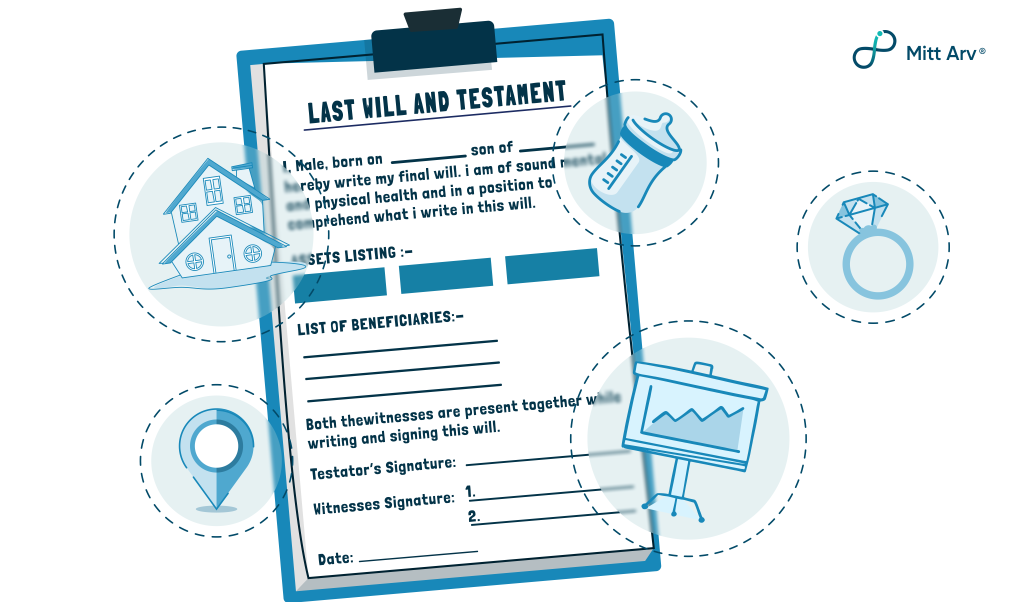
Life does not follow a fixed script. Careers shift, families expand, people drift apart, and priorities change. A Will that once made perfect sense may become outdated without you realising it.
Updating your Will ensures your current family, assets, and responsibilities are reflected.
A Will is a document that navigates your legacy after you. It decides:
- Who receives your assets such as property, money, investments, and valuables
- Who is responsible for executing your wishes
- Who will care for your minor children, if applicable
Legal professionals consistently emphasise that outdated Wills are one of the biggest causes of inheritance disputes. Wills should be reviewed regularly, especially after major life events like marriage, divorce, childbirth, or the death of a loved one. Treating a Will as a living document rather than a one-time task helps avoid confusion, litigation, and emotional distress for your family.
Failing to update your Will as life changes can result in:
- Assets being distributed in ways you never intended
- Legal disputes among heirs
- Exclusion of new dependents
- Guardianship decisions being left to the courts
When Should You Update Your Will in India?
There are moments when changing a Will is necessary to reflect your current legal and personal reality. Let’s look at specific situations where updating your Will is important.
- Marriage
Getting married often changes how you want your estate shared. A prior Will may no longer reflect your new family unit, and in some places, marriage may even affect your existing Will’s legal standing.
- Divorce
Divorce changes your legal relationships and estate priorities. If your ex-spouse is still named as a beneficiary or executor, they might inherit or administer your estate unless you update your Will.
- The Birth or Adoption of Children
Welcoming a child, by birth or adoption, is a major reason to revise your Will. You’ll likely want to:
- Include the child as a beneficiary
- Appoint a guardian for minors
Failing to do this could leave guardianship decisions up to the courts rather than your preferences.
- A Significant Change in Finances
Major changes in your financial picture, like receiving a large inheritance, selling or buying a house, business changes, or acquiring valuable assets, mean your Will might no longer match your true estate size or distribution intentions.
- Death of a Beneficiary or Executor
If someone you named in your Will dies, their role (as beneficiary or executor) becomes vacant. Updating ensures replacements are named and your estate continues to be carried out as intended.
- Relocating to Another State or Country
Different states and countries have different rules about Wills and inheritance. A Will written under one legal system might not operate exactly the same way under another, so a review after relocation is wise.
- Changes in Guardianship Preferences
If you’ve named a guardian for minor children but your circumstances or relationships change, revisit that choice. Life events like the guardian moving away, health changes, or evolving family dynamics may mean selecting someone else.
- Starting or Closing a Business
Business ownership changes your estate’s complexity. You may need your Will to clarify how business assets are treated, name successors, or clarify ownership after death.
- It’s Been Several Years Since Your Last Review
Even without a major life event, most estate planning experts recommend reviewing your Will every 3–5 years to ensure nothing has been overlooked and your wishes still make sense.
What Happens If You Don’t Update Your Will?
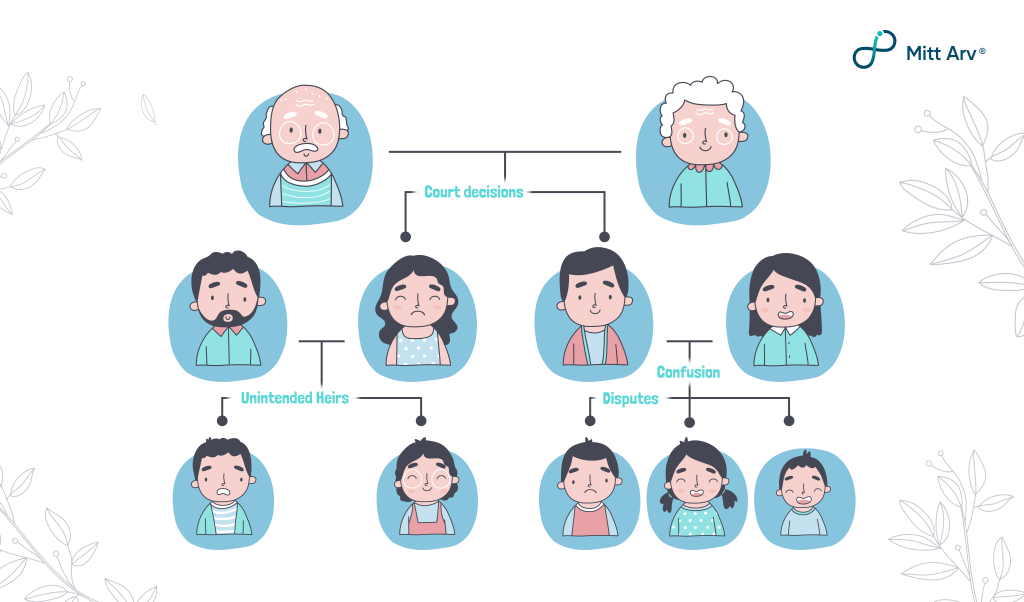
An outdated Will can create serious consequences, including:
- Outdated Beneficiary Allocations: Certain beneficiaries might receive more or less than you intended if your circumstances have changed and your Will isn’t updated.
- Legal Disputes: When a Will doesn’t clearly reflect a person’s intentions, disputes can arise among family members, causing tension, drawn-out court cases, and possibly high legal costs.
- Neglect of Minor Children’s Needs: If you don’t update your Will to reflect your children’s needs, there could be no clear financial or guardianship plan, potentially placing them in the custody of someone you may not have chosen.
How Often Should You Review and Update Your Will?
According to various law firms and solicitors, reviewing your Will at least every few years is a good idea, even if you haven’t experienced major life changes. This regular review helps ensure that any required will changes are identified early, rather than during a crisis.
Estate planning professionals generally recommend:
- Reviewing your Will every 3–5 years, even if no major changes have occurred
- Updating it immediately after any significant life event, such as marriage, divorce, childbirth, relocation, or major financial changes
This habit ensures your Will always reflects your current intentions.
Steps to Take When Updating Your Will
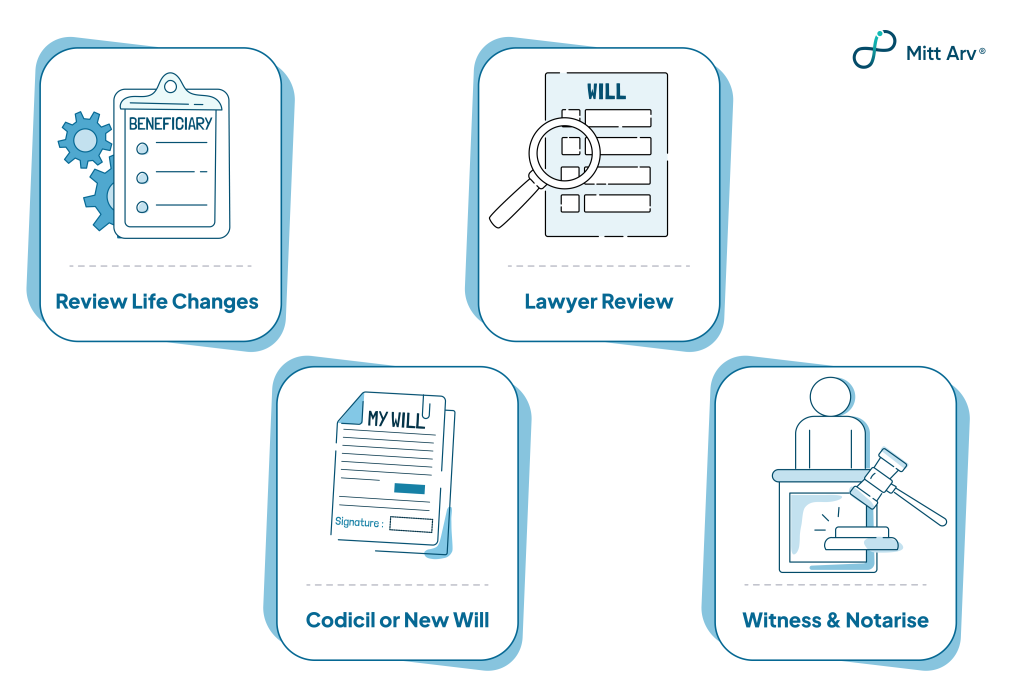
Updating a Will is straightforward but does require careful attention. Whether you are making minor will changes or completely changing a Will, following the correct legal process is essential.
- Create a Codicil or Draft a New Will:
A codicil is a legal document used to make limited changes to an existing Will, such as changing an executor or adding a beneficiary. It must be executed with the same legal formalities as a Will.
However, if multiple or substantial changes are required, drafting a new Will is often safer and clearer. In such cases, the new Will should explicitly revoke all previous Wills to avoid confusion.
A codicil is suitable for minor will changes, while drafting a new Will is safer when making multiple or significant updates.
- Consult Your Lawyer:
While Indian law allows individuals to draft and update their Wills independently, consulting a lawyer helps ensure:
- Legal validity
- Compliance with local laws
- Clear language that reduces the risk of disputes
- Review Desired Changes:
Consider any beneficiaries, guardians, assets, or specific instructions you wish to include or exclude. Carefully think through the changes to ensure your wishes are reflected.
- Witnessing and Notarization:
An updated Will requires the same formalities as the original:
- It must be signed by the testator
- It must be witnessed by two individuals who are not beneficiaries and notarised
- Registration is optional but recommended for added authenticity and security
Conclusion

Many people delay making or updating a Will because it feels uncomfortable. It forces us to think about difficult possibilities. But in reality, a Will is not about death. It is about care.
It is about making sure your parents don’t struggle with paperwork, your children don’t face uncertainty, and your loved ones don’t argue over what you “might have wanted.” Updating your Will is not pessimistic planning. It is a quiet act of responsibility and love.
The best time to update your Will is not “someday.”
It is when your life changes. And life changes more often than we think.
About Mitt Arv
Mitt Arv helps you organise important information in one secure place so your loved ones are not left guessing later.
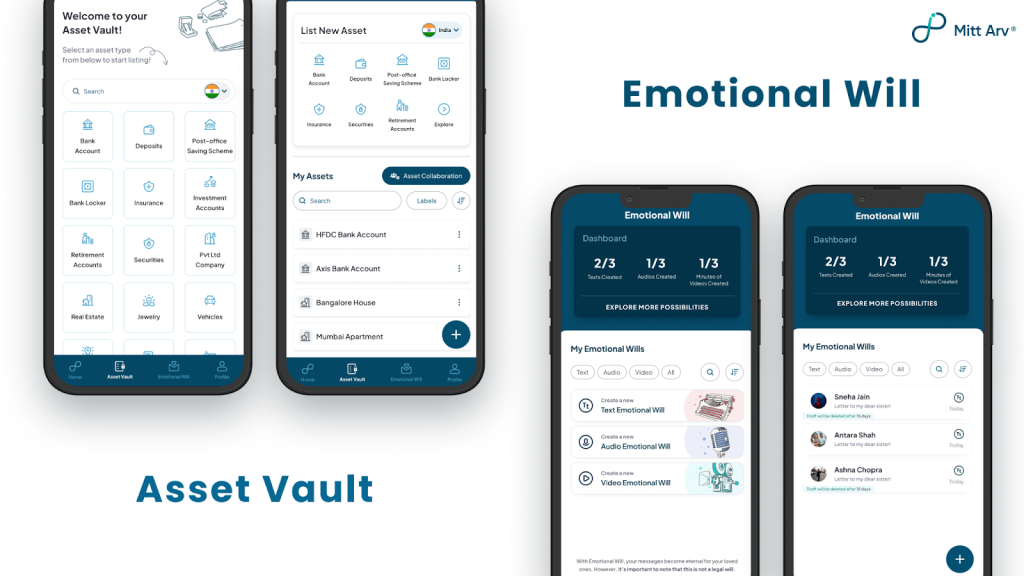
It offers an Asset Vault you can:
- List your assets and financial details, such as bank accounts, investments, insurance, and property and organise everything on one dashboard.
- Add beneficiaries as Trusted Contacts for each asset, so it’s clear who you intend it for
This does not replace a legal Will, but it gives your family much-needed clarity and direction during difficult times.
Mitt Arv also offers an Emotional Will feature. This allows you to write messages and record audio or video notes for your loved ones.
While the Emotional Will is not a legal document, it lets you express your wishes, values, and thoughts in your own words. For many families, these messages provide comfort, guidance, and emotional closure, even if they lack legal authority.
Together, these features help ensure that your intentions are known, your assets are easier to understand, and your loved ones are supported both practically and emotionally.
FAQs
1. Can a Will be changed after it is made in India?
Yes. Indian law allows you to change or update your Will at any time during your lifetime, provided you follow legal formalities.
2. Is updating your Will legally allowed multiple times?
Yes. There is no legal limit on updating your Will in India. You can revise or update your Will as often as your circumstances change, such as after marriage, divorce, childbirth, or major financial changes.
3. How often should you update your Will?
Estate planning professionals generally recommend reviewing and updating your Will every 3–5 years, even if no major life event has occurred, to ensure it still reflects your intentions.
4. What is the difference between a codicil and a new Will?
A codicil is used to make minor will changes, such as changing an executor or adding a beneficiary. If multiple or major changes are required, drafting a new Will is generally clearer and safer.
5. Do I need a lawyer to change or update my Will in India?
No, hiring a lawyer is not mandatory. However, consulting a lawyer when changing a Will helps ensure legal validity, proper wording, and reduces the risk of disputes later.